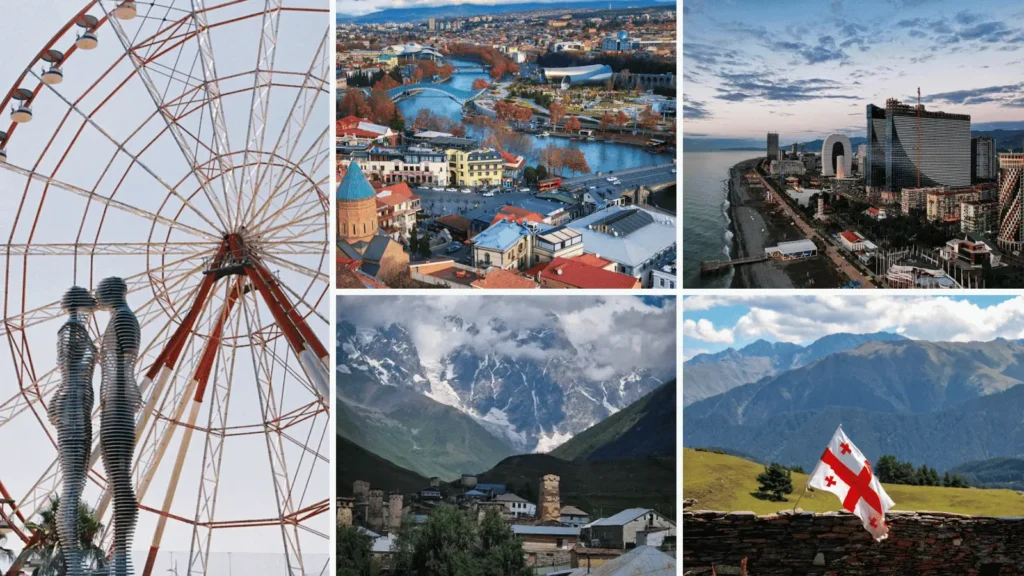
Where is Georgia, and why should you visit?
Georgia is a small country, roughly the size of Ireland, and still relatively unknown to the world. A country with a history steeped in the Soviet era, it is now independent and experiencing rapid economic growth. Tourism in Georgia is a rapidly expanding sector; the country recorded 5.52 million tourist visits in 2025, according to the Georgian National Tourism Administration. The reason for this growing popularity as a destination is due to the country’s efforts in the tourism sector and beyond, which have been ongoing for more than twenty years. English has gradually been encouraged as a second language, making communication with locals more straightforward. Furthermore, citizens of more than 100 countries do not need a visa to visit Georgia, and visitors can stay for up to one year without any restrictions.
So why visit Georgia? There are many reasons, which we’ll explore in this article, but above all, there are breathtaking views. For mountain scenery like this, you’d have to travel across the continent! Plus, the food, wine, and company are truly enjoyable.
From the Caucasus Mountains to the Black Sea
Georgia’s location makes it a very versatile country. In fact, geographically, the country is in Asia, but from a cultural and historical perspective, it is considered a European country. Its borders are naturally defined: to the north lies the Greater Caucasus mountain chain and to the south, the Lesser Caucasus. It borders Russia, Azerbaijan, Armenia, and Turkey and has a Black Sea coastline to the west. Thanks to this geodiversity, Georgia has two distinct climate zones. The coastal region has a mild, somewhat humid climate, while the countryside has a colder, drier climate.
An interesting fact concerns the name “Georgia”; it is rumored to originate from the Italian language or from Saint George, the country’s patron. The term could also mean “agriculture” in Ancient Greek, and in antiquity, the country was known as Jeorgia. The origins of the country’s name are debated; Georgian speakers call their country Sakartvelo.
The best places to visit in Georgia
The spirit and sense of spontaneity are two good reasons to visit Georgia. It is full of amazing places to see, and we’re sure that no matter which itinerary you choose, it will remain one of the most eclectic and unexpected countries you’ll ever visit.
The capital, Tbilisi, and the old town
The capital, Tbilisi, and its Old Town are undoubtedly a must-see that you’ll want to add to your itinerary. Here you can admire a landscape of colorful balconies and houses. The historic center has been completely renovated yet retains its ancient atmosphere and spirit, with cobblestone streets and old buildings. You can also enjoy fantastic thermal baths in historic facilities.
The rich UNESCO cultural heritage

For hiking enthusiasts, we recommend visiting Svaneti, a region in the northwest that is home to four of the highest mountains in the Caucasus, or Kazbegi if you are near Tbilisi. The mountain landscape is breathtaking and blends seamlessly with the historic medieval architecture. The ancient city of Uplistsikhe fascinates many visitors; with its caves carved into the rock, it was a major stopover on the Silk Road. And since the cultural heritage doesn’t end there, there are many sites listed as UNESCO World Heritage Sites. You could visit Mtskheta, the old capital home to the architecturally unique Svetitskhoveli Cathedral, or the city of Kutaisi, the Gelati Monastery, or the village of Ushguli. The David Gareja Monastery is also a unique attraction, as are the cave cities of Vardzia and Uplistsikhe and the ancient village of Ushguli. It includes hundreds of caves carved into the rock, many of which are decorated with frescoes.
Batumi: a coastal city of leisure and fun

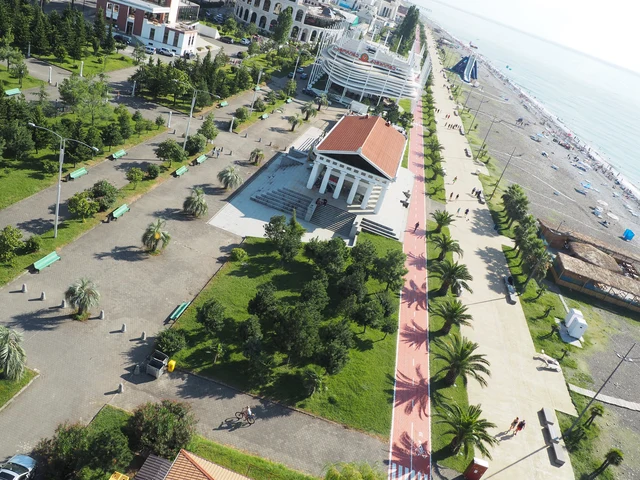
Batumi is the city that best exemplifies Georgia’s economic development and growth. It is often referred to as the “Dubai of Black Sea” because of its rapid urban development, modern skyscrapers, and luxury resorts. A seven-kilometer-long waterfront lined with palm trees, fountains, and bike paths lets you fully experience this seaside resort. The city is known for its nightlife and entertainment, with numerous casinos, clubs, and evening shows.
We recommend visiting the Botanical Garden, which overlooks the Black Sea; it’s one of the largest and most picturesque gardens in the region. There’s also the famous “Eternal Love” statue of Ali and Nino, which adds to Batumi’s charm, two eight-meter-tall steel sculptures that intertwine every day at 7:00 p.m. In contrast to Batumi’s steel and modernity, the Kartlis Deda statue and the “Chronicles of Georgia” stand imposingly in Tbilisi, highlighting the country’s history and tradition.

Georgia’s history, culture, and traditions
You wouldn’t think so, but Georgia has a much richer history than one might imagine. And to tell the whole story, we must start with prehistory. In fact, Georgia, more specifically in Dmanisi, south of the capital, is home to one of the world’s most important paleoanthropological sites. Here, in 1991, the oldest human bones in Eurasia were discovered, dating back 1.8 million years.
Greeks, Romans, and trade routes
Georgia was colonized in the western part by the Greeks, who introduced European culture and left behind their philosophy and traditions. Greek mythology tells the story of Jason, a hero who led the Argonauts’ expedition to Colchis (as the Greeks called Georgia) to find the Golden Fleece, that is, the golden coat of the winged ram. Historians believe this myth may have reflected a real tradition in Georgia, namely the practice of using ramskins to collect gold flakes from river currents. Georgia also served as an important strategic hub along the ancient Silk Road routes, connecting Central Asia and Europe. It remained in use until the fall of Constantinople (1453), when the silk trade came to a halt due to Ottoman attacks. Georgia has managed to preserve these remarkable structures, built by ancient Georgians and Greeks along the Silk Road caravan routes that crossed the North Caucasus, and they are still preserved at historical sites.
A Christian country since the 4st century
Georgia became a Christian country in 337 A.D. thanks to the evangelizing work of Saint Nino of Cappadocia, making it the second Christian state in the world (after Armenia). The Church is one of the fundamental elements of Georgian identity. Georgia was one of the first countries in the world to adopt Christianity as its official religion. Despite numerous influences from the Arabs, Ottomans, and Persians, Christianity remains the predominant religion today, with 87,3% of the population identifying as Christian. Christianity subsequently played an important role during the Soviet era.
Annexation by Russia and the Soviet Period
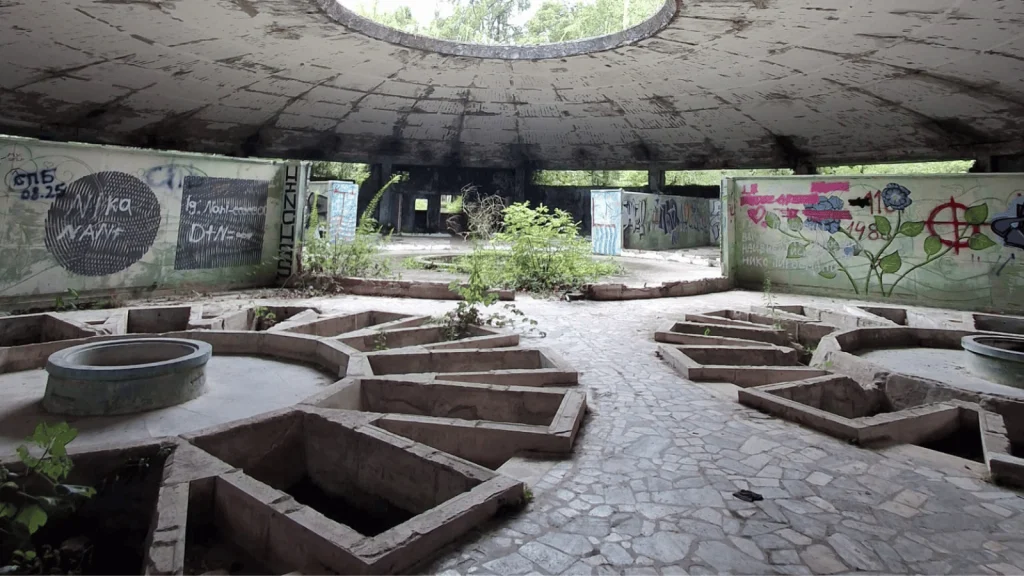
Georgia became part of Russia in the early 1800s. In fact, it all began with a treaty with Tsar Alexander I that was supposed to guarantee Georgia’s protection from its Muslim neighbors. Instead, it led to the exile of the royal family and Russian dominance that lasted more than 150 years. Georgia was one of the wealthiest states in the USSR and welcomed more than two million tourists a year. During the Soviet era, under Lenin and Stalin (an interesting fact: Stalin was Georgian), the Church suffered severe persecution and the destruction of many religious buildings, followed by a vast revival and reconstruction after the collapse of the Soviet Union. In 1991, Georgia regained its independence by separating from the USSR, and a year later it became the 179th member of the United Nations.
In November 2003, following the nonviolent Rose Revolution, Georgia became a presidential republic. Today, Georgia is a country rich in culture and diverse traditions and one experiencing strong economic growth. With its rich history and its unique landscapes, it has much to offer tourists, which is why it is increasingly being chosen as a travel destination.
Georgian cuisine and the world’s oldest wine tradition
Georgian cuisine serves as a rich bridge between Europe and the Middle East, characterized by intense flavors, an abundance of nuts, aromatic herbs, cheeses, and spices, with unique food and wine traditions recognized worldwide. Georgia boasts a winemaking history stretching back over 8,000 years. The traditional method involves fermenting wine in large, underground terracotta amphorae (qvevri), a traditional winemaking method recognized by UNESCO. For Georgians, cuisine is a very serious matter around which every holiday, every celebration, and both family and social life revolve. Georgia also boasts an ancient tradition of mineral-rich spring waters. The most famous is Borjomi, which has a very sparkling and slightly salty taste, ideal for recovering from a hangover.
Georgia’s most famous dish is khachapuri, considered the country’s national dish. It is a bread stuffed with melted cheese. Another very popular dish is khinkali, large dumplings filled with spiced meat and broth. They are traditionally eaten with the hands, starting by drinking the broth inside after making a small hole in the dough. One dish you must try is the famous and colorful churchkhela, a candy resembling a candle made from walnuts dipped in a thick mixture of grape must and flour, then left to dry.
The Georgian alphabet and its fascinating language
The official language of Georgia is Georgian, which is spoken by more than 80% of the population. However, there are two other official languages spoken in Georgia: Abkhaz, the official language of Abkhazia, and Ossetian, spoken in Ossetia. There are linguistic subgroups of Georgian spoken in certain regions, namely Mengrelian, Laz, and Svan, while the language is further divided into 17 regional dialects. The Georgian language is one of a kind; it belongs to the Kartvelian language family, which consists of languages that are unrelated to any other languages in the world. Its alphabet likely derives from Aramaic and Greek, but many mysteries surround its origins.
The Georgian alphabet is extremely phonetic; each letter is pronounced exactly as it is written. In fact, the sound of each letter is not influenced by neighboring letters. The alphabet contains 33 letters, including 5 vowels, and makes no distinction between uppercase and lowercase letters. The Georgian verb system is one of the most complex in the world; there is no infinitive form. Another interesting fact is the numbering system, which is based on the base-20 system, like the French system. Thus, 40 is expressed as 2×20, 60 as 3×20, and 70 as 3×20+10.
Is Georgia an affordable travel destination?
Georgia is one of the most affordable destinations in the Caucasus, offering gorgeous landscapes, historic cities, delicious food, and warm hospitality at reasonable prices. Accommodations, public transportation, and local restaurants are generally inexpensive compared to many Western European destinations. Tbilisi offers options for every budget, while smaller towns can be even more affordable with rents starting at less than €250 per month. Living in Georgia is extremely advantageous not only because of the low costs but also because of the tax system. If you’re interested in learning more or a longer stay is in your mind, explore Proluxur’s Georgia insights to discover the country not only as a touristic destination but also as an opportunity to live.
Practical tips: when to go, how to travel, and what to plan
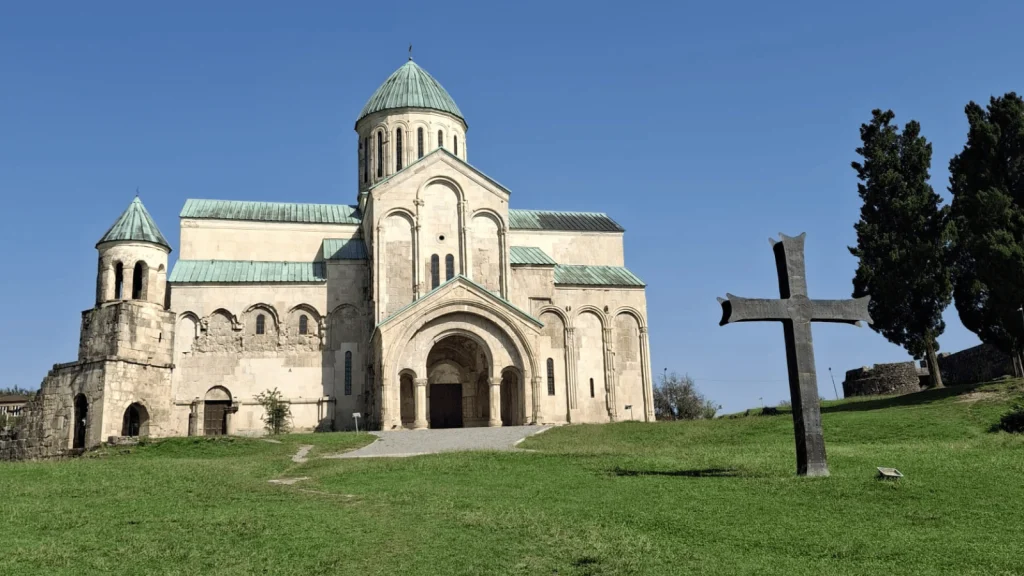
Tbilisi and Kutaisi are common arrival points for international flights. Once in Georgia, visitors can travel between major cities by public transport, private transfer, or rental car. For your first trip to Georgia, plan for at least five to seven days to explore the country at a leisurely pace. Start with three days in Tbilisi, where you can explore the historic center, the traditional sulfur baths, and the local cuisine and culture. You can then visit Kakheti, Georgia’s famous wine-growing region, or Kazbegi, known for its spectacular landscapes in the Caucasus Mountains. It’s worth stopping in Kutaisi to visit its historic monuments, monasteries, and surrounding natural attractions. Depending on the season and your interests, you might also consider Batumi for its Black Sea coastline or Svaneti for its breathtaking mountain scenery. If you have more time, extending your stay to 10–14 days will allow you to explore Georgia’s various regions more thoroughly and at a leisurely pace.
Before departure, check your passport and entry and visa rules for your country. Since January 1, 2026, to visit Georgia is required to hold health and accident insurance valid for the duration of their trip, generally with minimum coverage of GEL 30,000. Visit Georgia’s consular information portal for any required information from 2026.
Visit Georgia: there’s more than one reason to stay
From the cobblestone streets of Tbilisi to the Black Sea coast of Batumi, passing through the spectacular Caucasus Mountains, Georgia offers experiences to suit a wide variety of interests. Visitors can savor traditional Georgian cuisine, go hiking in the mountains, visit ancient monasteries, explore wine regions, and enjoy a vibrant nightlife. The country blends centuries-old traditions with a modern, ever-evolving lifestyle. Georgia can be an appealing choice for travelers who want to experience a new culture and explore the possibility of living abroad. Its diverse landscapes, relatively affordable cost of living, and vibrant food scene attract digital nomads, entrepreneurs, and long-term visitors.
Frequently asked questions about visiting Georgia
Is Georgia worth visiting?
Yes, visit Georgia is definitely worth, for its mountainous landscapes, historic monuments, distinctive cuisine, and rich wine-making traditions. It offers a mix of culture, outdoor adventures, and urban experiences without necessarily requiring a large travel budget.
Is Georgia safe for tourists?
Visit Georgia is generally considered a welcoming destination for tourists, particularly in popular destinations such as Tbilisi and Batumi. However, it is important to be aware of petty theft, traffic safety issues, and occasional protests.
Is Georgia expensive compared to other travel destinations?
Georgia is generally more affordable than many destinations in Western Europe, especially when it comes to local rent, transportation, and everyday services.
Is Batumi or Tbilisi better for a holiday?
Tbilisi is the ideal destination for those who love history, culture, architecture, cuisine, and nightlife, while Batumi is better suited for beach vacations, walks along the coast, and the relaxed atmosphere of a seaside resort. The choice depends on whether you prefer to explore the city or spend your vacation by the sea.
Can foreigners live in Georgia long-term?
Foreigners can live in Georgia for extended periods; for many visitors, a visa is practically unnecessary, and there are no special requirements for stays of less than one year.
What is the weather like in Georgia?
Georgia has a varied climate, ranging from humid subtropical conditions along the Black Sea coast to the colder alpine climate of the mountains. Tbilisi is characterized by hot summers and relatively cold winters, while Batumi is generally warmer and rainier. The mountainous regions can experience heavy snowfall in winter, resulting in weather conditions that are very different from those in the cities.
What is the best time to visit Georgia?
May, June, and September are ideal months for enjoying pleasant temperatures, visiting tourist attractions, and participating in outdoor activities. July and August are very popular months for mountain adventures and beach vacations, although it can get very hot in the cities and tourist areas are more crowded. Fall is particularly charming thanks to the grape harvest and the vibrantly colored landscapes, while winter attracts visitors interested in skiing and snow-covered mountain scenery.